Some decisions matter long after the certification expires. Selecting the best CPR course rests high up on that listing. The differences in between an AED course, a Basic Life Assistance credential, and a basic CPR course form how confidently you can act when seconds count. I have actually instructed first aid and CPR training to office teams, child care employees, and medical facility personnel, and I have seen exactly how the ideal match in between course and learner modifications habits under anxiety. The tags can appear compatible from a distance, yet each program has a certain purpose, depth, and audience.
This guide breaks down the useful differences, aids you choose a course that fits your role, and flags the small details that determine whether a certificate actually meets a workplace or licensing need. In the process, I will certainly share what has a tendency to trip people up on evaluation day, what aids skills stick for greater than a week, and exactly how to maximize a cpr correspondence course without repeating the very same drills on autopilot.
What CPR training actually intends to do
Cardiopulmonary resuscitation exists to acquire time. When the heart stops or hardly presses, oxygen shipment to the mind and organs drops to near zero. Every minute without effective compressions trims survival by about 7 to 10 percent, though spectator CPR can cut in half that decrease. Courses that focus on CPR teach just how to recognize heart attack, start chest compressions with the ideal depth and price, include breaths if shown, and revolve rescuers before fatigue ruins quality.
An AED, the automated exterior defibrillator seen in flight terminals and health clubs, targets a part of heart attacks caused by shockable rhythms such as ventricular fibrillation. Early defibrillation can recover arranged rhythm within the very first couple of minutes. AED accessibility and correct usage increase the impact of CPR. BLS, the Basic Life Assistance credential used in health care, layers in innovative teamwork, airway abilities, and multi‑rescuer coordination, then examinations at a standard indicated for experts who perform resuscitation a lot more often.
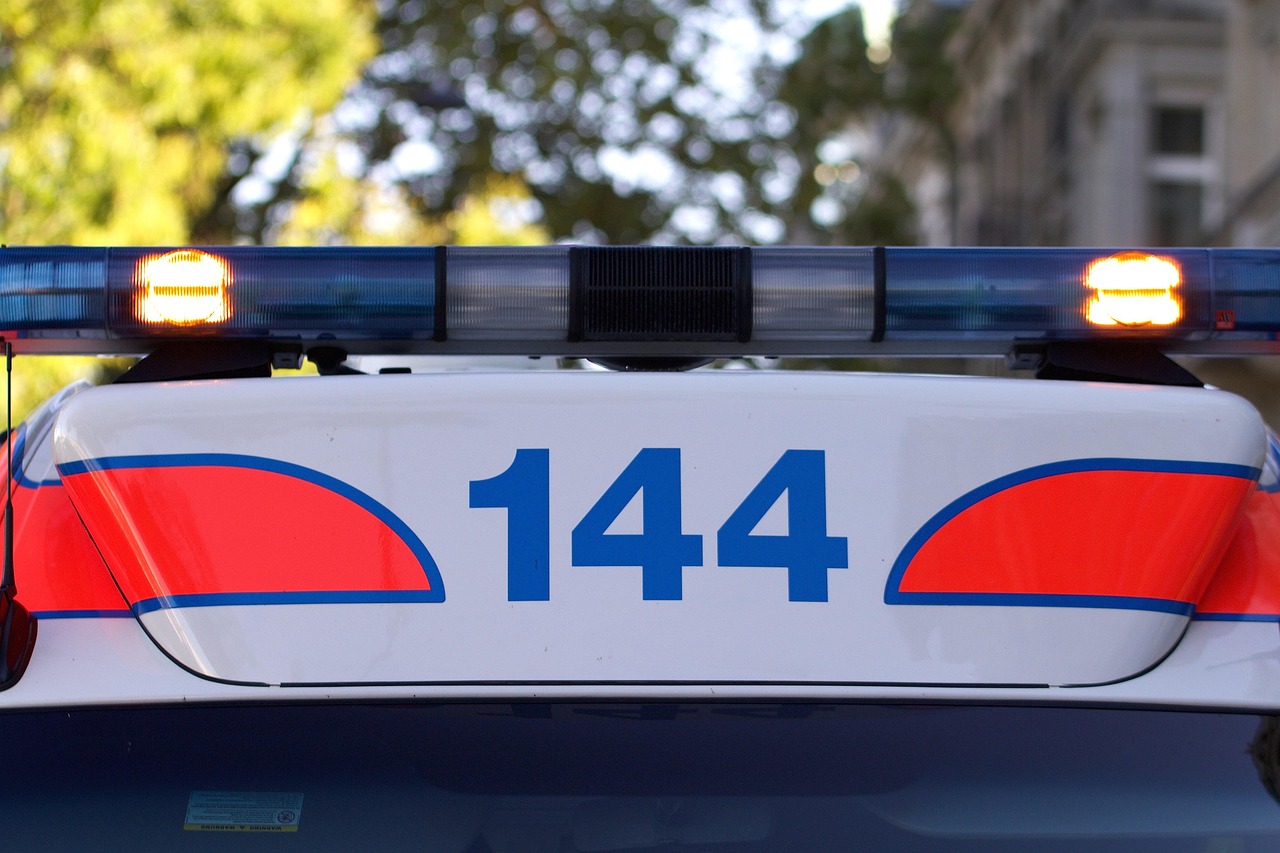
The three names on the menu
A fast alignment aids:
- Standard CPR: Shows recognition, compressions, and optional rescue breaths for adults, or adults and youngsters if you select the incorporated version. A typical fit for workplaces, health and fitness instructors, and community members. CPR with AED: Standard CPR abilities plus hands‑on AED release. In lots of regions this is packed automatically, since AEDs are currently prevalent in public venues. BLS (Standard Life Assistance): For medical care setups and medical pupils. Covers CPR and AED utilize with additional emphasis on two‑rescuer cycles, bag‑mask air flow, choking alleviation throughout ages, and in‑hospital rhythms of response.
That is the picture. The genuine differences receive course content, testing, and acknowledgment by regulatory authorities or employers.
What you learn in a typical CPR course
A basic cpr course, in some cases labeled "Heartsaver" or "Adult CPR," focuses on adult physiology and the most common scenes a non‑clinician will face: a coworker who collapses, a parent who suddenly ends up being unresponsive at dinner, a passerby plunged on the path. You will certainly exercise threat checks, responsiveness checks, calling emergency situation services, hands‑only compressions, and, if the educational program includes it, ventilations with a pocket mask. In incorporated first aid and cpr courses, you also learn bleeding control, burns, cracks, and medical emergency situations like stroke and diabetic issues.
Expect instructors to sign you on compression top quality greater than anything else. Real‑time manikin responses is common now, and it matters. A student might think their compressions are deep sufficient, yet the manikin's sensor discloses a 30 percent shortfall. That space describes poor outcomes in the real world. An excellent course drills rhythm, depth, and recoil until your hands find the mark without mindful effort.
From the administrative side, a typical CPR certificate typically notes the extent: Grownup CPR, Grownup and Child CPR, or Adult, Kid, and Baby. If your work entails children, such as early youth education, check that the card states Kid and Infant. I have actually seen childcare workers repeat training due to the fact that their previous certificate just claimed Adult.
Where an AED goes into the photo: nearly anywhere. Numerous training providers currently pack AED in basic CPR since AEDs are coming to be global in shopping centers, institutions, and company schools. If the card needs to claim "CPR and AED," confirm that the program includes AED drills with pads positioning, shock advisory prompts, and security checks.
What AED‑specific training adds
Standalone AED training is lean. You learn where to locate AEDs, exactly how to open the case, power it on, and follow its prompts. You exercise pad positioning on adult and, if required, pediatric manikins. You rehearse clearing the individual prior to shock and resuming compressions instantly after. Some courses cover diplomatic immunities: damp settings, hairy chests, implanted tools, and medication patches.
Where it fits: organizations that already train CPR may need a brief AED add‑on for groups in charge of their structure's device. I have actually shown condensed AED alignments throughout safety and security days where personnel revolve via stations. Also 10 focused minutes can avoid freeze‑ups. You do not desire someone peeling off the support off both pads at the same time or sticking them with each other mid‑panic.
A crucial subtlety: AED training does not change CPR. Without compressions, defibrillation has much less to collaborate with. If you https://emiliorrdb892.yousher.com/brisbane-first-aid-course-what-to-anticipate-and-just-how-to-prepare just have time or budget for one ability, select CPR with AED as a bundle. That combination is the backbone of many contemporary first aid course structures aimed at the public.
What collections BLS apart
BLS looks familiar initially glimpse, yet the requirements relocate higher and the context shifts to team response. Two‑rescuer grown-up CPR cycles, bag‑mask air flow strategy, pulse checks, and changing roles without letting compressions drift off target are all central. Choking alleviation for adults, kids, and infants obtains more information and method. The AED sequence is dealt with as muscle memory, not an add‑on.
You will certainly be reviewed a lot Tuggerah First Aid Course more strictly in BLS than in a typical course, typically with timed scenarios and manikin responses limits. Medical care employees need a repeatable ability level that stands in a code blue or an ambulance bay. A medical trainee that comes to positioning with a neighborhood CPR certification might be averted from the ward until they hold a BLS card, since the health center's policy and insurance firm anticipate that credential.

Where BLS truly makes its maintain is team choreography. In the field, I have actually enjoyed a knowledgeable BLS pair struck a clean tempo: one rescuer manages the air passage with a bag‑mask seal and provides breaths at the correct rate while the various other maintains compressions limited and swaps out every two minutes at the rhythm check. Oxygen streams, tiredness remains reduced, and perfusion continues to be strong. That pace is tough to find out in a totally solo‑rescuer course.
Recognizing significant side cases
Experienced teachers will certainly show you the fringe information that make a distinction during uncommon however substantial scenarios.
- DNR orders and advanced regulations: In some settings a bracelet or documents will disallow resuscitation. In public, you might not have that clearness. Programs ought to cover when to start, when to stop, and just how to hand over to arriving paramedics. Traumatic apprehension: Permeating injury or major candid force might ask for fast hemorrhage control along with compressions. Requirement CPR courses might only touch this lightly. First aid training that includes blood loss control with tourniquets and hemostatic gauze fills that gap. Pregnancy: Left uterine displacement during compressions can enhance venous return. A BLS training course might resolve this. Community programs may not. Opioid overdose: Recognition of breathing arrest with a pulse modifications your immediate actions. Some first aid and cpr courses currently integrate naloxone training. Ask if that matters in your area. Hypothermia and drowning: Rewarming and gentle handling affect results, and you may expand resuscitation initiatives longer. Not every course explores this depth, but it deserves elevating if your atmosphere makes it relevant.
How to choose the ideal path
Your role, environment, and compliance requires drive the option more than personal passion. A practical method to make a decision:
- If you are a registered nurse, paramedic pupil, dental assistant, or any person who operates in a clinical setting, choose BLS. Numerous healthcare facilities call for a particular issuing body also, so confirm that information with your educator or supervisor before booking. If you manage a fitness center, work in aged care assistance without medical responsibilities, educate group classes, or manage teams in a public place, book a CPR with AED course. If your location serves households, consist of Child and Baby modules. If you are a parent or caregiver looking for standard skills, a common first aid and cpr course that consists of AED is the most well balanced. It provides you CPR skills, AED self-confidence, and injury reaction past cardiac issues.
Certificates need to match the language on your work description or governing demand. I have actually seen individuals redesign training due to the fact that their "Workplace First Aid" card did not state "Provide cardiopulmonary resuscitation," although they had actually covered it in class. Good service providers such as First Aid Pro and comparable companies plainly list systems of expertise and extent on the certification. Read that small print prior to you pay.
What a first aid course covers past CPR
CPR may be the heading, but the remainder of first aid can be the difference in between a bad day and a catastrophic one. Bleeding control, including straight stress and tourniquet use, takes mins to learn and can save a life on a roadside. Burns treatment, eye injuries, asthma activity plans, anaphylaxis action with an auto‑injector, and stroke recognition complete a capable responder's toolkit. Lots of companies now require a combined first aid and cpr course to meet duty‑of‑care obligations.
In course, scenarios that blend clinical troubles with CPR drive home just how rapid top priorities shift. An asthmatic teenager falls down after effort. Do you reach for a spacer or start compressions? The answer rests on responsiveness and breathing analysis, taught early in a great program. People who have actually just exercised cool, isolated skills usually stall when faced with an untidy scene. Situation range in training protects against that.
AED practicalities people forget
Even short AED training can eliminate friction later on, yet retention discolors. I ask groups to find the closest gadget, open up the cabinet, and draw the unit out, even if we are not in an official cpr training session. That tiny act repairs the device's place in memory and reveals any gain access to concerns. Advertising and marketing posters sometimes direct the upside-down after a renovation. The number of sites where the AED closet is obstructed by a shipment trolley or a short-lived sign would shock you.
Pads run out, batteries run down, and pediatric pads go missing out on. The month-to-month devices check should include the AED status light, pad expiration day, and a glimpse at the accessory set: razor, pocket mask, gloves, and a clean. During a real occasion, you will certainly be thankful for a pre‑packed set that represents sweat, chest hair, or a drug patch that requires removal. I have seen a well‑intentioned -responder have problem with pads on a damp swimmer since no towel neighbored. Include a small towel to your AED cupboard if your website has water exposure.
The skill that matters most in every course
Quality compressions make the most significant difference. Rate, deepness, breast recoil, and very little interruptions develop the core. The problem is not recognizing this, it is doing it for several minutes without drift. Exhaustion slips in around the ninety‑second mark, sometimes faster. In BLS, turning rescuers every two mins preserves high quality. In a basic cpr course for solo responders, teachers should still press you to feel your own fatigue contour and adjust stance, hand placement, and breathing to remain effective.
I instructor pupils to treat the very first thirty seconds as a warm‑up to settle their rhythm. Lock elbows, stack shoulders over hands, allow your hips lug several of the activity, and keep your eyes on the breast bone. Do not bounce. Make use of the manikin's responses if offered, after that close your eyes for a couple of compressions and try to feel the same deepness and recoil. When you open them, see exactly how close your internal feeling was. That proprioception rollovers under tension when you lack an electronic prompt.
How long your certificate lasts, and why refresher courses matter
Most CPR and BLS certificates lug a one‑year referral for refreshers. First aid certifications usually last three years, with CPR refreshed yearly. That is not an approximate income play. Skills decay quickly. By 3 to six months, even educated providers wander on compression depth and price. A cpr correspondence course resets method and updates you on standard adjustments. It also keeps you comfortable with an Article source AED if you seldom touch one.
Pick refresher courses that do not feel like reruns. Ask your supplier exactly how they differ scenarios. A white-collar worker does not require a trauma‑heavy drill each time, however a brand-new spin, such as a confined‑space response or a two‑rescuer series with an AED getting here late, helps you adapt. Much shorter, concentrated refresher courses function well for teams who exercise quarterly in bite‑sized sessions rather than stuffing every little thing into a yearly marathon.
Accreditation, alignment, and the fine print
Not all programs are produced equal, also if the flyers look the same. In lots of nations, employers and regulators identify certifications from details bodies or call for positioning with nationwide resuscitation guidelines. If your function has lawful commitments, validate the provider's accreditation and the precise system codes connected to the first aid certificate. Healthcare facilities commonly state they require BLS from assigned companies. Child care regulations might specify first aid and cpr course content consisting of asthma and anaphylaxis modules.
Watch for concealed risks:
- Online only CPR without hands‑on evaluation may not fulfill workplace standards. Combined discovering, which sets e‑learning with a brief useful session, generally pleases both benefit and compliance. Infant CPR is not always consisted of. If you take care of infants, make certain the training course lists infant components and that you exercise on infant manikins. Remote or high‑risk worksites may need added insurance coverage such as oxygen therapy training or innovative bleeding control. A generic area program will not cover these.
Reputable suppliers, including names like First Aid Pro and various other well-known companies, will certainly map their training courses to identified criteria and release those information. If you can not find them, ask.
Making abilities stick after the class
Training days build confidence, however routines maintain you ready. The best first aid training plants little regimens that last.
I motivate individuals to do 2 things: rehearse a mental manuscript and touch the devices. The manuscript does not require to be made complex. Identify, call, press, shock, continue. Say it out loud sometimes. For groups, appoint functions in advance. That brings the AED? That meets the rescue at the lift? In one office, an assistant maintained an intense lanyard identified "AED jogger" on a hook near the front workdesk. Throughout a drill, there was no debate, she grabbed it and moved. That type of quality decreases the lost seconds that rest in between a collapse and the initial compression.
As for devices, treat your AED and first aid package like a fire extinguisher. Individuals only utilize them in a dilemma, so they ought to really feel familiar. Open the kit every quarter. Check the pocket mask, handwear covers, and a couple of key things. Put your hands on the AED, note the expiry date on the pads, and pay attention for the gadget's self‑test beep. A thirty‑second routine keeps things from ending up being strangers.
Comparing the program types at a glance
A side‑by‑side check helps when you are fielding concerns from a manager or preparing a training calendar.
- Standard CPR: You will certainly discover adult compressions, rescue breaths if shown, use of a pocket mask, and scene safety. Often appropriate for workplace conformity beyond healthcare. Consist of AED make use of if not automatically bundled. CPR with AED: Criterion CPR plus AED release and unique situations such as wet skin or implanted gadgets. Best for the majority of public‑facing teams. BLS: For professional setups. Adds two‑rescuer sychronisation, bag‑mask air flow, pulse checks, infant and kid protocols, and tighter evaluation. Needed for many medical care duties and placements.
The expense difference between basic CPR with AED and BLS is generally moderate compared to the expense of sending someone to duplicate training due to the fact that the certificate did not match policy. Type that out first.
What learners usually ask before enrolling
Do I require a first aid course or just CPR? If your employer's plan mentions first aid certificate or first aid courses, they likely anticipate a broader curriculum that consists of CPR and various other medical emergency situations. If the plan singles out cpr courses or BLS, choose the targeted option.
How much time does it take? Criterion CPR with AED runs 3 to 4 hours in person, occasionally much less if you complete theory online. BLS usually takes a similar block if you total pre‑course modules, though some suppliers run longer sessions to satisfy healthcare facility assumptions. A consolidated first aid and cpr course can be a complete day, with a shorter evaluation if you do mixed learning.
What concerning remote understanding? Blended versions function well. Full on the internet CPR without hands‑on technique dangers inadequate technique and may not please conformity requirements. If you live much from a training center, search for mobile providers who can deliver on site or during shift hours.

How do I keep it fresh? Book a cpr refresher course annually, even if your first aid certificate shows a much longer credibility. In between, run a five‑minute drill each quarter. Stroll to the AED, open it, and talk via the steps with a colleague.
Final judgment from the field
If you are responsible for the safety and security of a team, invest in CPR with AED as your baseline and BLS where clinical job begins. The low initiative of including AED practice is little, the benefit large. For individuals, select the course that matches individuals you are more than likely to help. Parents and caretakers must demand infant modules. Physical fitness instructors and lifeguards should ensure their cpr training includes AED and oxygen handling if needed by their facility.
Do not let the certification be completion of it. Abilities fade, devices moves, and staff turnover erodes a group's readiness. Place CPR and first aid on a simple upkeep cycle: annual refreshers, quarterly micro‑drills, and a calendar suggestion to check the AED pads before they end. In an actual emergency situation, those small routines tighten the gap between collapse and efficient action, which is the only procedure that matters.